A tired finish, not a tired door
Scratches, chips and worn paint often need careful preparation and a compatible coating, not a replacement leaf.
Specialist timber door repair · St Andrews & Fife
A good timber door can be worth keeping. Worn paint, damaged edges and local defects are different from a door that is structurally beyond repair. I look at the leaf, frame and how the door works, then set out what can be repaired before the colour and finish are chosen.
Assessment first. Local repairs where suitable. A compatible painted finish, with the scope agreed in writing.
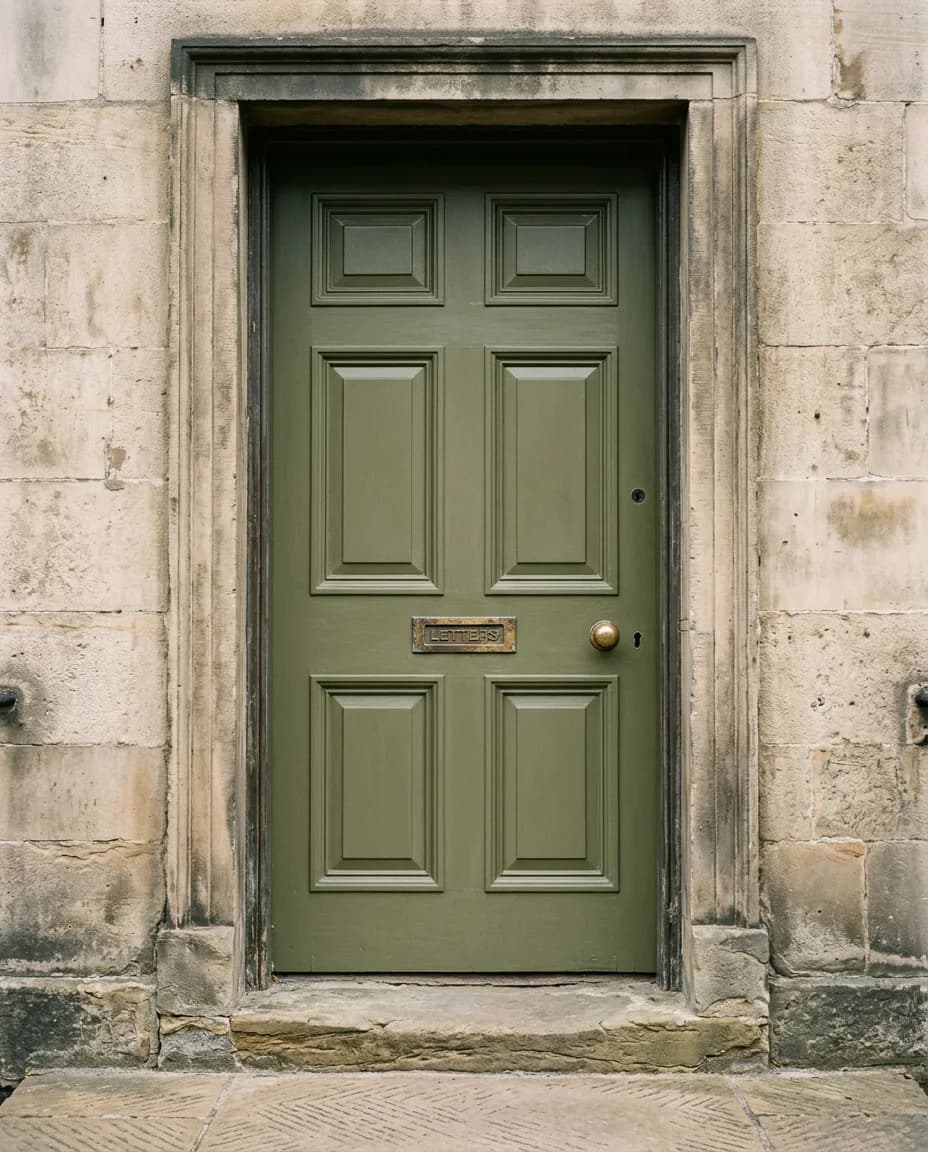
Read the surface
The visible damage is a starting point, not a diagnosis. These are the details I look at before recommending work on your doors.
Scratches, chips and worn paint often need careful preparation and a compatible coating, not a replacement leaf.
Rain and exposed end grain can cause local deterioration. I check how far it extends and whether the surrounding timber remains sound.
Traditional panels move with moisture changes. Rigidly filling every joint can create fresh problems. The construction guides the repair.
Seasonal swelling, hinge problems and paint build up need different responses. A decorating repair cannot correct a distorted frame or failed joint.
Preserve where it makes sense
Keeping sound timber can preserve the proportions and detail of your home. But safety, remaining strength and the cause of damage matter more than saving a component that has failed.
From assessment to finish
Eight stages, with a reason for each. The exact method is specified after inspection. Not every defect needs every treatment, and hidden damage can change the scope.
This describes the service, not a universal DIY method. Old coatings, glass, access at height and certified components need appropriate assessment.
Arrange an assessmentI examine the leaf, panels, mouldings, frame and threshold, including the edges where accessible. The previous finish, timber condition and how the door opens and closes establish whether repair is sensible.
The check: Agree whether this is a decorative repair or a joinery problem.
The quotation identifies which face, edges, frame and fittings are included. We discuss security, access and drying before starting, particularly where this is the only entrance. A door is not left unsecured as an assumed part of the process.
The check: Make access, scope and overnight security explicit.
Floors, glass and adjacent finishes are protected. Suitable fittings are removed or masked as agreed. Older paint is assessed for lead before disturbance, with controlled preparation and appropriate extraction, containment and waste handling.
The check: Prepare safely without damaging glass, fittings or neighbouring finishes.
Loose paint is removed and failed material is assessed back to a sound background. Moisture and the cause of damage must be addressed. If the defect proves deeper than expected, I stop and explain the revised options before proceeding.
The check: No filler over soft timber and no coating over unresolved damp.
Small stable defects and suitable local timber damage are repaired with materials selected for the location and exposure. Repair systems are used within their stated limits. A failed bottom rail, loose structural joint or substantial timber replacement needs a joiner.
The check: Choose a repair that supports the existing door, not disguises failure.
Once cured, repairs are shaped to the existing profile. Sound coatings are prepared for adhesion and transitions are feathered. Panel movement and drainage details are respected; sanding is not used to force a swollen door to fit without understanding the cause.
The check: Keep the mouldings crisp and the moving details free.
Bare timber and repairs receive compatible preparation coats. The finish is applied in a sequence suited to the panels, rails and stiles, with attention to accessible edges. Recoat intervals, ventilation and exterior weather conditions follow the chosen system.
The check: Good coverage without excessive build up at contact points.
Agreed fittings are reinstated and the finish is checked once it permits handling. We confirm closing arrangements so fresh coatings do not stick to seals or stops. I leave the product, colour and sheen record, plus curing and cleaning advice.
The check: A finish you can look after, and clear advice on using the door again.
Beyond the repair
Look at the stone, surrounding trim and the light on the entrance. A physical sample is more useful than a colour viewed only on a phone.
Higher sheen makes preparation more visible. I discuss the appearance you want alongside the condition and detail of the existing timber.
A finish can feel dry while remaining vulnerable to pressure and cleaning. Closing, handling and washing advice follows the actual product used.
Before you enquire
The right advice depends on the surface in front of us. These are useful starting points.
Not always. Extensive decay, failed joints or security problems can make replacement more sensible. The comparison should include the frame, fitting, making good and finishing, not only the price of a new leaf.
Some work can be completed in place. The underside, extent of repair, weather and drying arrangements may require a different sequence. Removal is never assumed, and we agree access and security before the job begins.
Yes, suitable timber internal doors can be assessed for local repairs and repainting. Damage to hollow doors, veneers and sheet materials needs a different judgement from a solid timber leaf. The material is checked first.
Fire doors and other certified assemblies must retain their performance and approved components. I do not offer a generic repair to these through this service. Composite, metal and uPVC doors require manufacturer specific advice and are not treated as timber.
Careful shaping and preparation aim for a consistent painted appearance, but old movement, grain and previous repairs can remain visible. The expected finish is discussed honestly. A clear or stained finish is less forgiving of repairs than an opaque paint.
Assessment, repair depth, drying, curing and the weather determine the programme. Some repair systems need separate visits. I agree a practical sequence rather than promise a universal turnaround or rush a coating before it is ready.
Start with what is there
Send a few details about your doors. I will help establish whether a decorating repair is a sensible next step or whether another trade needs to assess it first.
Discuss your doorsIf sharing photographs, include an overall view and close views of the affected areas. Please do not climb or disturb loose paint to take them.
Specialist timber care
Windows, doors, staircases and original joinery. Explore careful repairs, considered refinishing and exterior maintenance, with the existing timber and its condition guiding every decision.
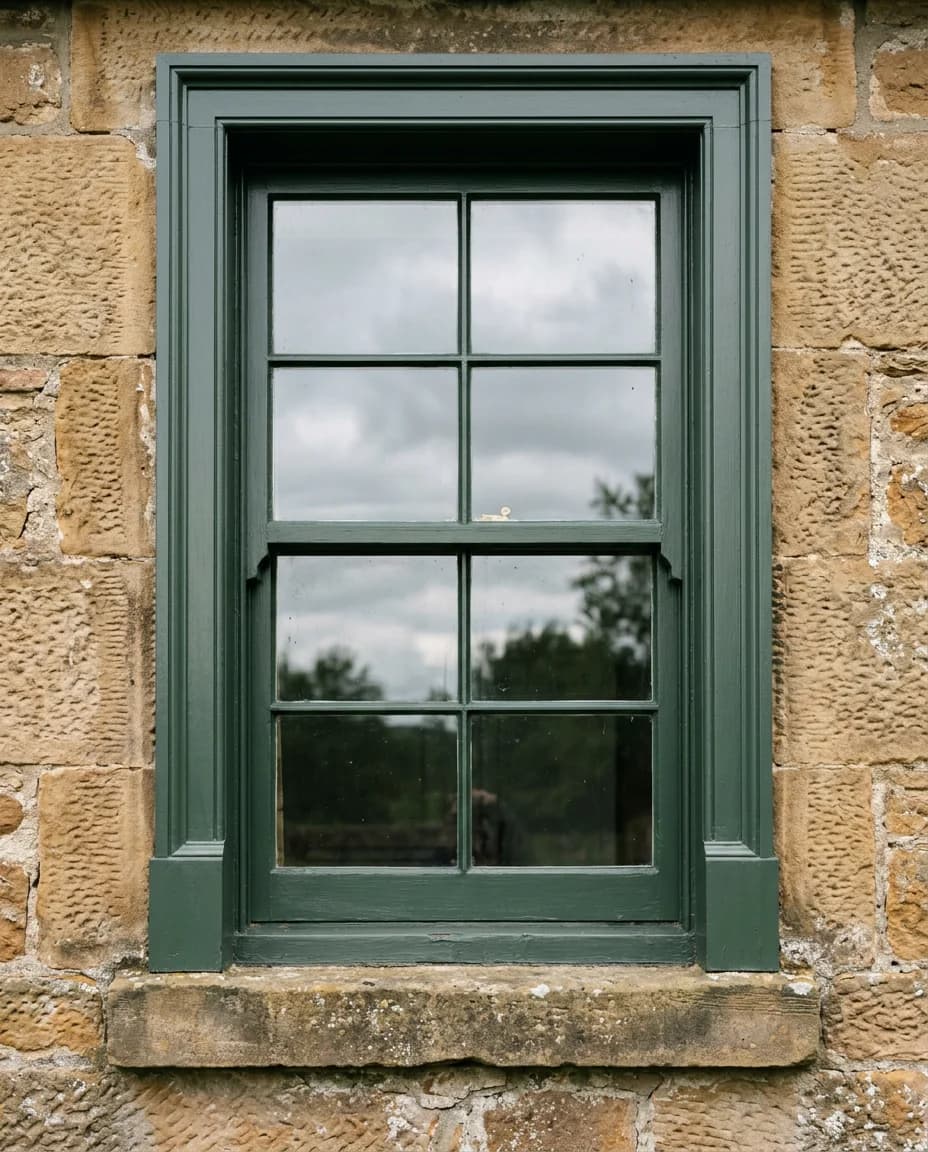
Timber window repairs and repainting in St Andrews and Fife. Assess local decay, failed coatings and weathered sills before deciding to replace.
Explore the serviceTimber door repair and repainting in St Andrews and Fife. A practical route to preserving sound doors, from assessment and local repair to a durable finish.
Explore the service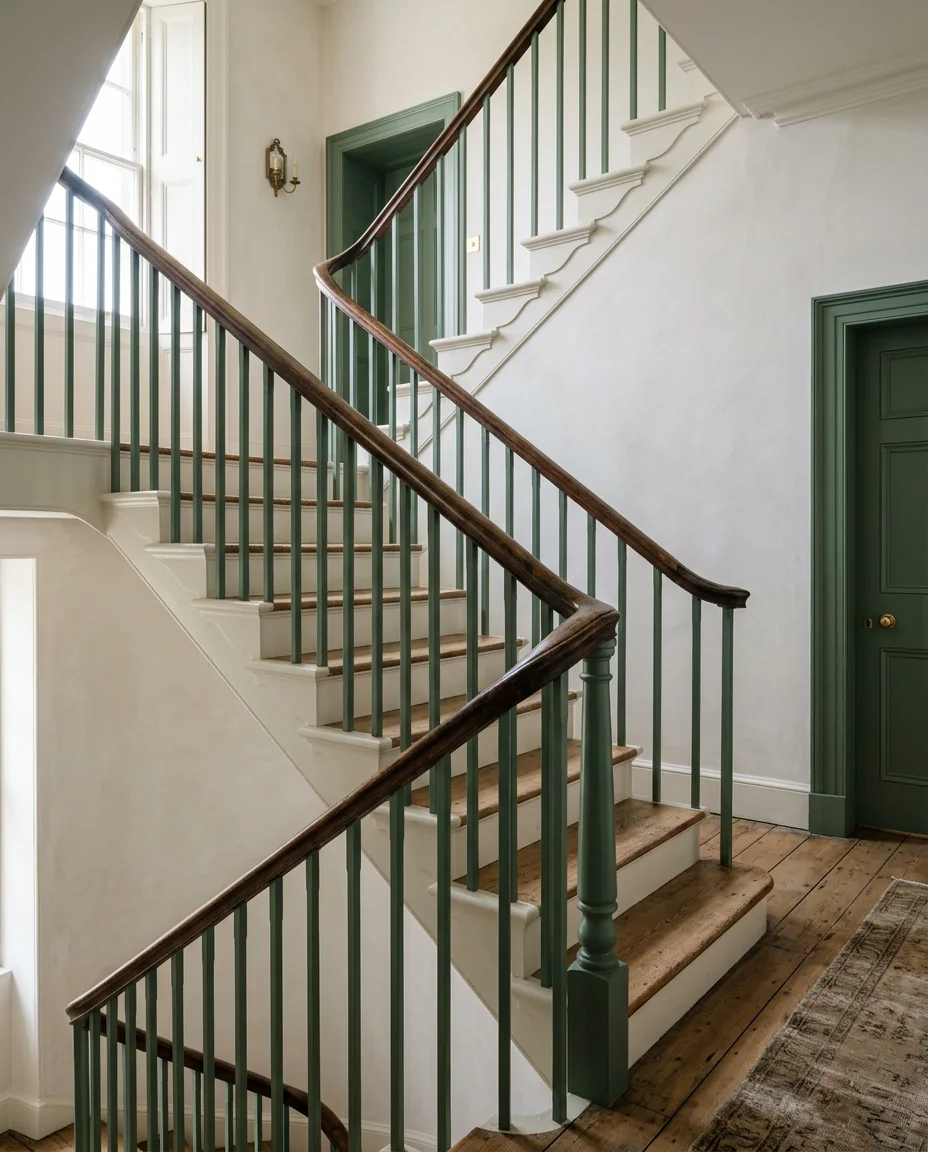
Staircase refreshing in St Andrews and Fife. Careful preparation and refinishing of sound timber stairs, handrails, spindles and painted risers.
Explore the service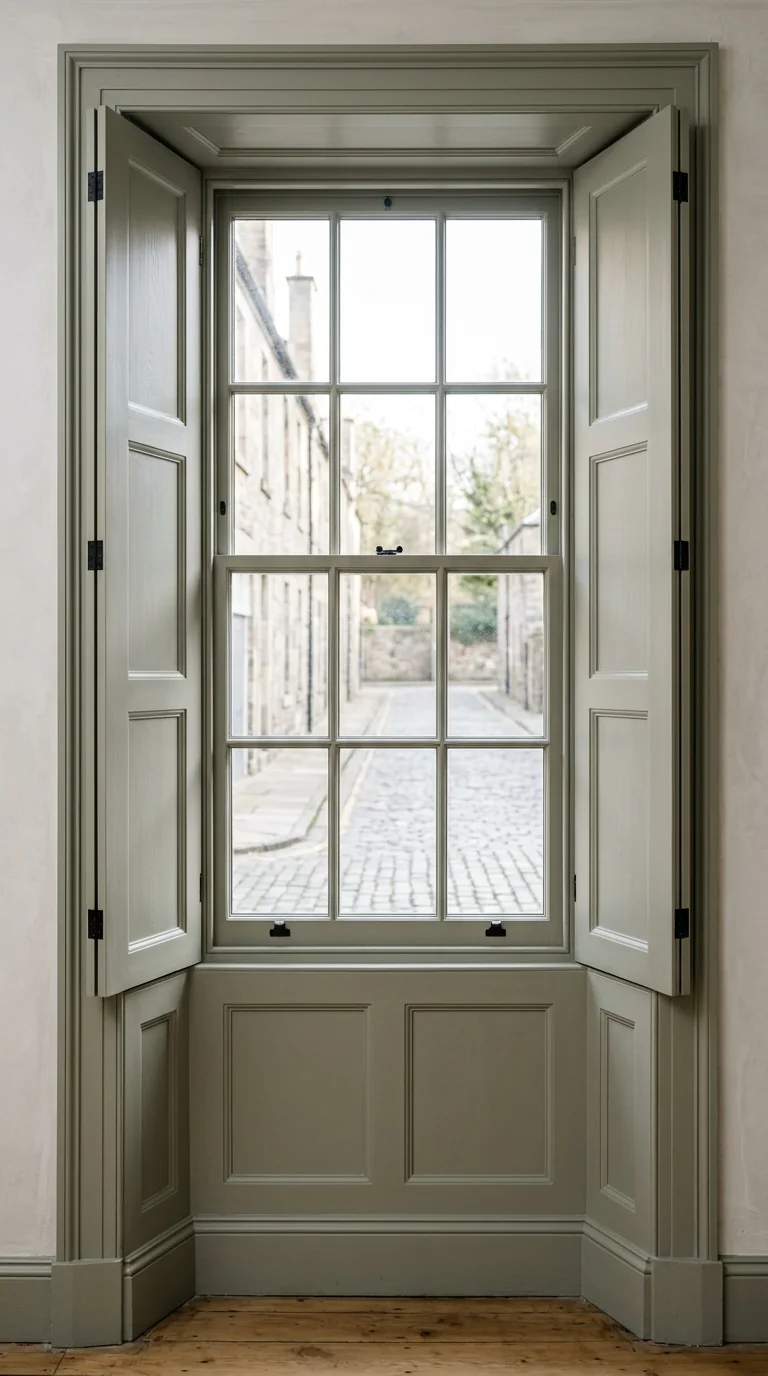
Period shutter and panelling refinishing in St Andrews and Fife. Sensitive preparation, local decorative repairs and carefully specified painted finishes.
Explore the service
Exterior timber maintenance in St Andrews and Fife. Condition checks, targeted preparation and suitable coatings for exposed exterior joinery.
Explore the serviceSuitability and scope are confirmed after assessment.