Bare edges and end grain
Bottom edges, board ends and exposed joints are common entry points for moisture. A largely intact face can hide a vulnerable edge.
Specialist exterior timber maintenance · St Andrews & Fife
The first signs of coating failure are often small: an opening joint, a pale patch or an edge beginning to lift. Addressing those areas before prolonged exposure can keep sound exterior timber in service. I assess the material, previous finish and exposure, then agree maintenance based on condition rather than a blanket repainting interval.
Condition first. Preparation with purpose. A suitable finish, with access, scope and aftercare agreed in writing.
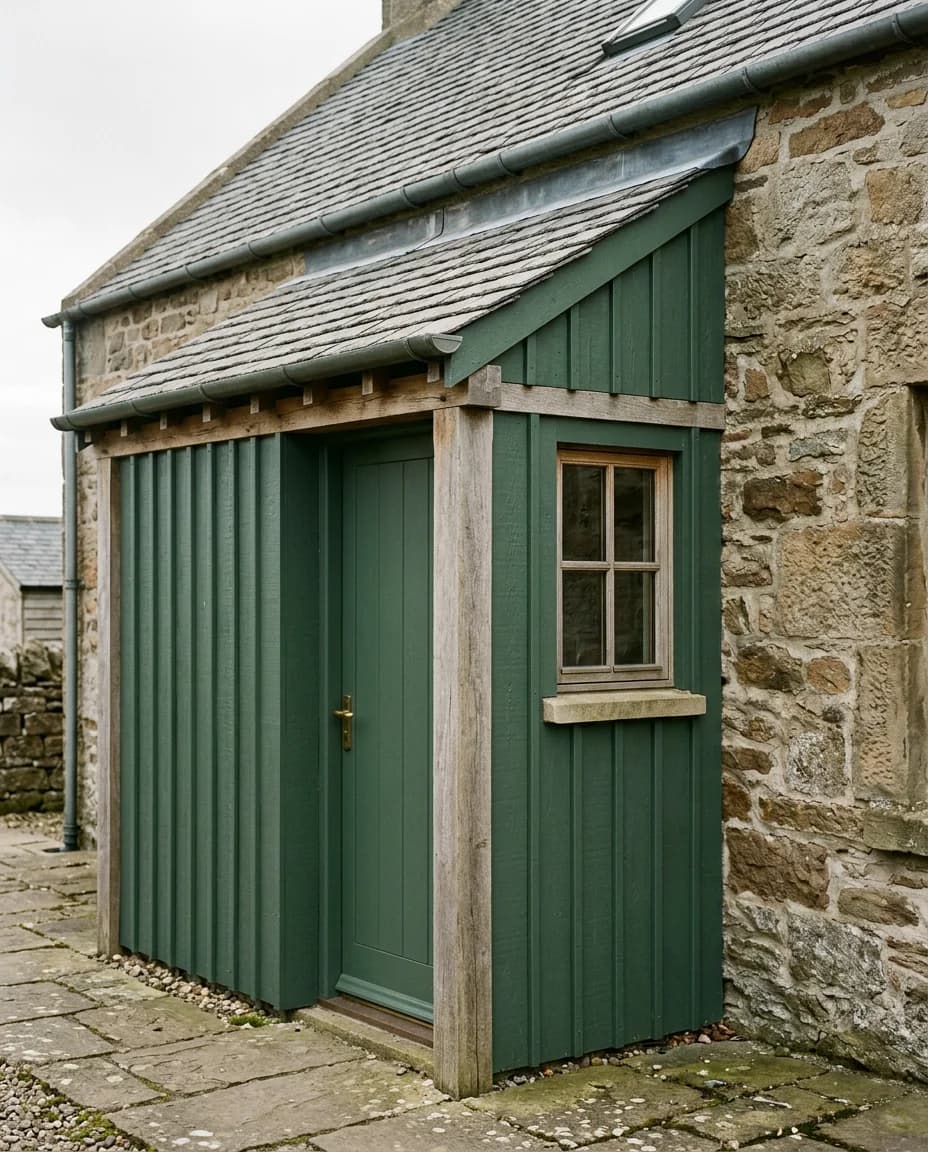
Read the surface
The visible damage is a starting point, not a diagnosis. These are the details I look at before recommending work on your exterior timber.
Bottom edges, board ends and exposed joints are common entry points for moisture. A largely intact face can hide a vulnerable edge.
Failure may relate to moisture, weathering, poor adhesion or incompatible layers. The next coating depends on understanding the cause.
Stains and clear systems weather differently from opaque paint. Colour change alone does not tell the whole story; adhesion and condition matter too.
Shade, splashback, vegetation and rainwater defects can keep timber wet. Cleaning and repainting alone will not resolve a continuing moisture source.
Preserve where it makes sense
Keeping sound timber can preserve the proportions and detail of your home. But safety, remaining strength and the cause of damage matter more than saving a component that has failed.
From assessment to finish
Eight stages, with a reason for each. The exact method is specified after inspection. Not every defect needs every treatment, and hidden damage can change the scope.
This describes the service, not a universal DIY method. Old coatings, glass, access at height and certified components need appropriate assessment.
Arrange an assessmentI assess the accessible timber and record worn edges, open joints, coating failure and any suspected decay. We identify each element included, such as fascia boards, porch joinery, gates or cladding, rather than treating the whole exterior as one surface.
The check: Record the condition and the limits of the accessible inspection.
Sun, wind driven rain, shade and splashback affect different elevations differently. Leaks, blocked drainage and persistent moisture are identified for attention first. Timber moisture is checked against the proposed system requirements before coating.
The check: Do not seal in a problem that will return beneath the paint.
Safe access equipment, protection and any work by other trades are agreed. Weather, surface temperature, moisture and drying periods determine when coating is practical. A dry forecast alone does not establish that the timber is ready.
The check: The programme follows the surface and product requirements.
Contamination and biological growth are treated appropriately for the surface and surroundings. Loose coatings are removed with controls suited to their age and risk. Aggressive washing that saturates timber or drives water into joints is avoided.
The check: Leave a clean, sound background and allow it to dry.
Small stable defects are repaired within the limits of the selected system. Deeper decay, weak fixings and failed construction joints are referred for suitable repair. Drainage and ventilation details stay open and functional.
The check: Maintenance does not replace structural repair.
The existing treatment, timber species, exposure and desired appearance guide the system. Bare areas and end grain receive the preparation the manufacturer specifies. A stain cannot simply be applied over opaque paint to reveal natural timber.
The check: Choose a compatible system for the actual background.
Coatings are applied at the specified spread rate with attention to vulnerable edges and accessible returns. Recoat times and changing conditions are monitored. Work pauses when temperature, moisture or weather falls outside the product requirements.
The check: Coverage and drying matter more than rushing to finish an elevation.
I provide a record of the surfaces, preparation, products and areas needing particular attention. We discuss a sensible inspection interval based on exposure. Any future visits are agreed separately rather than assumed to be part of an ongoing contract.
The check: Inspect by condition and act before small failures spread.
Beyond the final coat
A compatible painted system can provide a consistent colour over suitable prepared repairs. It still needs routine inspection at vulnerable edges and joints.
Timber colour, previous treatments and ultraviolet exposure affect the result. Clear finishes are not a maintenance free route to natural timber.
Salt, wind and driving rain can put particular pressure on exposed elevations. Cleaning, preparation and inspection intervals should reflect the location.
Before you enquire
The right advice depends on the surface in front of us. These are useful starting points.
There is no reliable interval for every surface. Exposure, preparation, timber condition and coating type all matter. Regular checks let you act on early failure, with maintenance timed to the actual condition and system guidance.
This page describes assessment and agreed maintenance work, not an automatic subscription. A future inspection or return visit can be discussed and quoted separately according to the property and access requirements.
Suitable sound timber gates, fences and similar elements can be assessed. Previous oils, preservatives and stains affect compatibility. Loose posts, failed hinges and rotten boards need repair or replacement before a coating can be worthwhile.
Decking is a walking surface and needs a separate specification for preparation, coating suitability and slip risk. It is not included automatically in a general exterior joinery maintenance quotation.
No. Decayed timber and water ingress need appropriate attention first. Coating over wet or unsound material can conceal the problem without restoring strength or stopping the moisture source.
Only when the actual conditions and product requirements allow. Surface moisture, temperature and drying periods can make winter coating unsuitable even on a day without rain. The programme should allow for postponement rather than compromise the system.
Start with what is there
Send a few details about your exterior timber. I will help establish a suitable preparation and finishing plan, and whether any work by another trade needs to come first.
Discuss your exterior timberIf sharing photographs, include an overall view and close views of the affected areas. Please do not climb or disturb loose paint to take them.
Specialist timber care
Windows, doors, staircases and original joinery. Explore careful repairs, considered refinishing and exterior maintenance, with the existing timber and its condition guiding every decision.
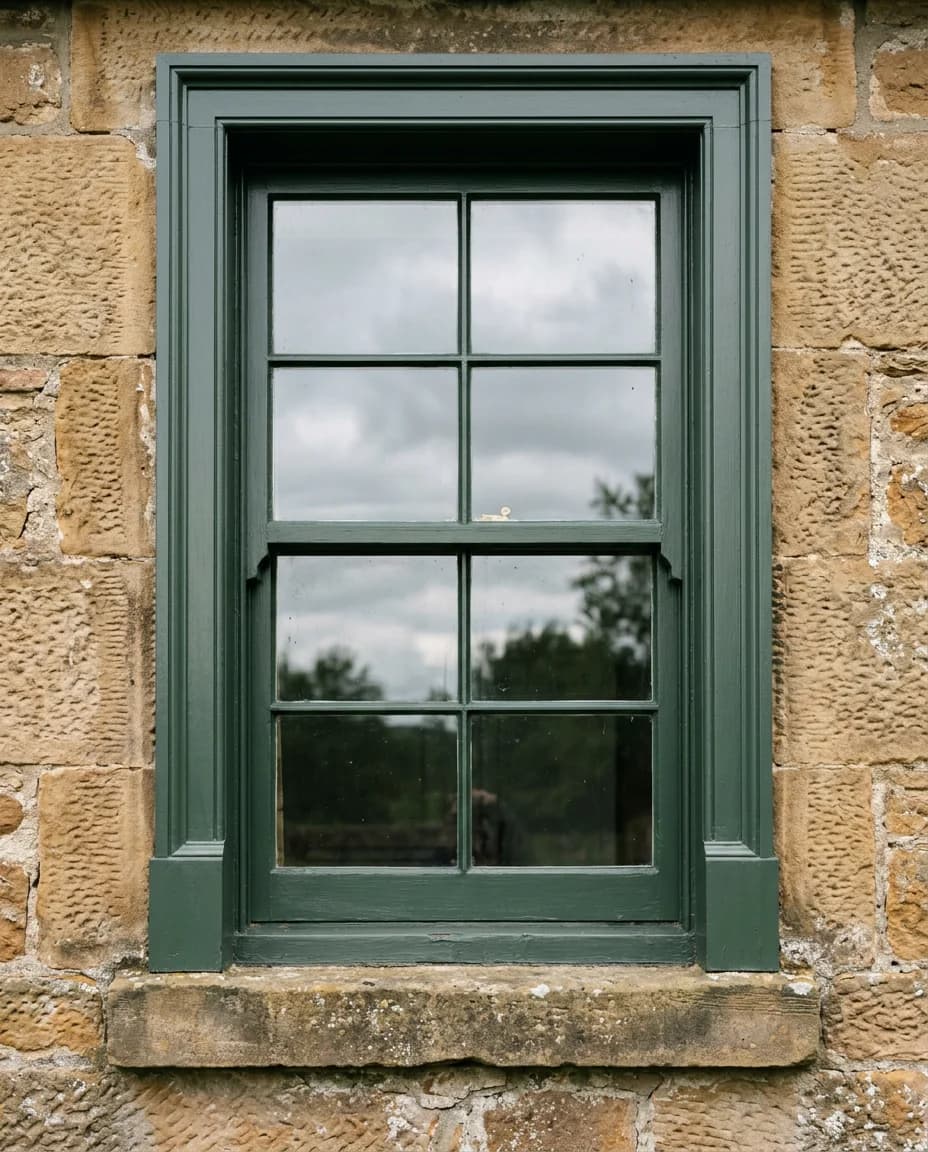
Timber window repairs and repainting in St Andrews and Fife. Assess local decay, failed coatings and weathered sills before deciding to replace.
Explore the service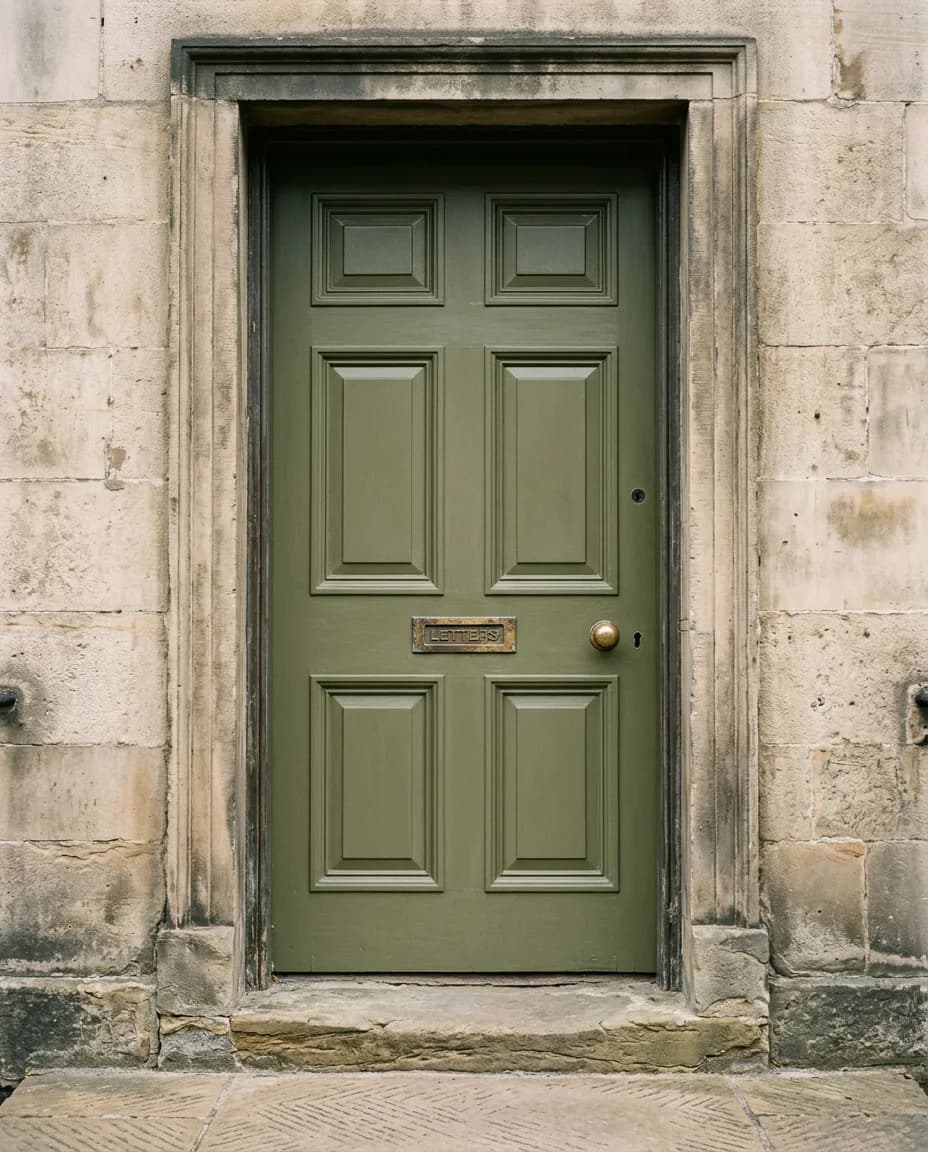
Timber door repair and repainting in St Andrews and Fife. A practical route to preserving sound doors, from assessment and local repair to a durable finish.
Explore the service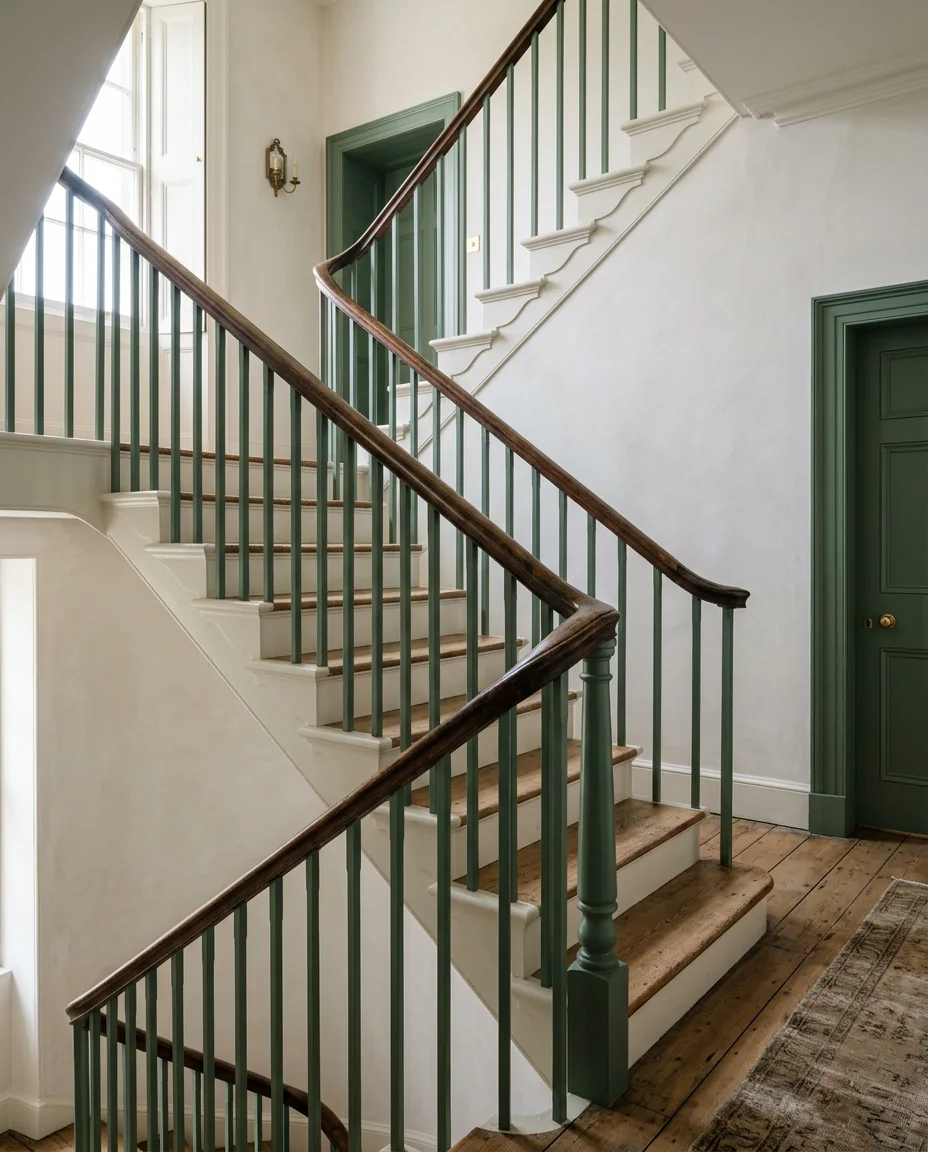
Staircase refreshing in St Andrews and Fife. Careful preparation and refinishing of sound timber stairs, handrails, spindles and painted risers.
Explore the service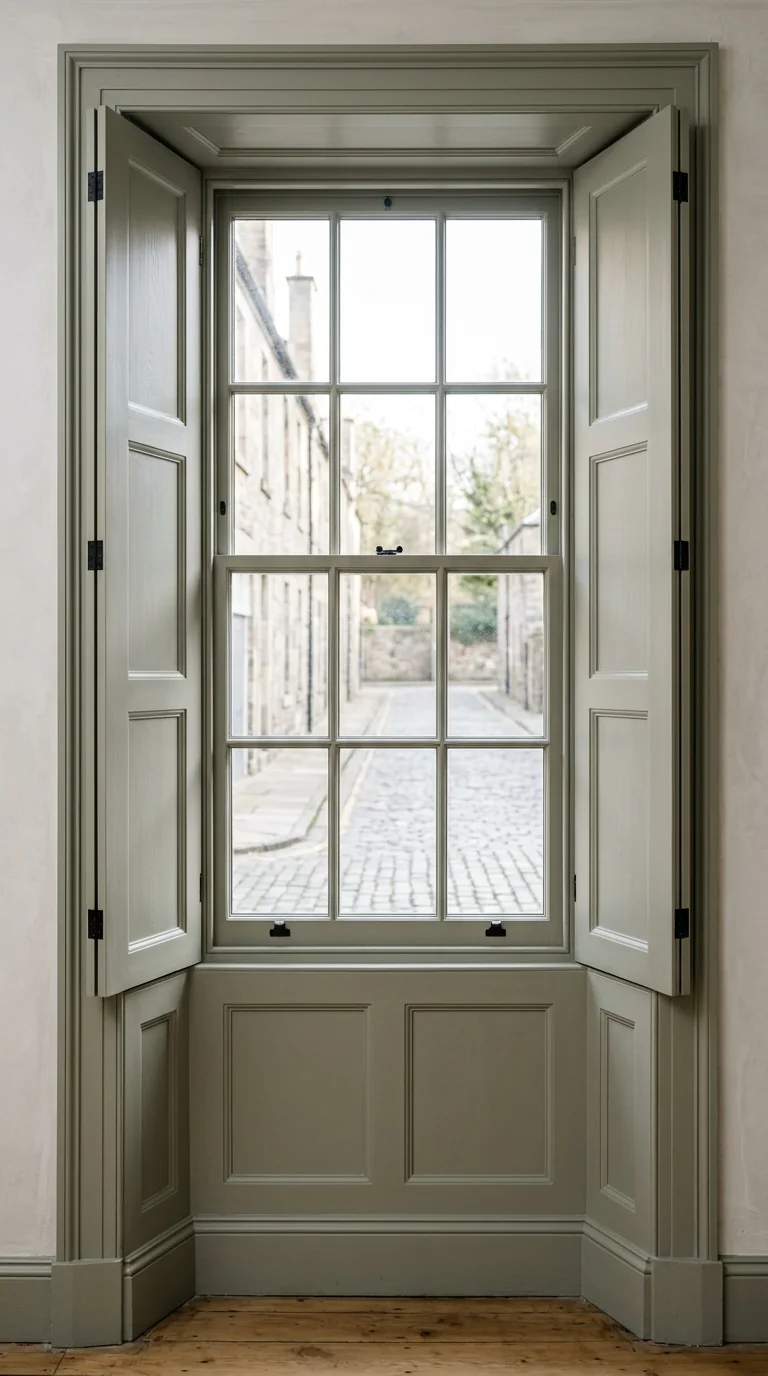
Period shutter and panelling refinishing in St Andrews and Fife. Sensitive preparation, local decorative repairs and carefully specified painted finishes.
Explore the serviceExterior timber maintenance in St Andrews and Fife. Condition checks, targeted preparation and suitable coatings for exposed exterior joinery.
Explore the serviceSuitability and scope are confirmed after assessment.