Shutters that catch
Paint on hinge lines and rebates can interfere with closing. Swollen timber, displaced hinges or distorted panels need a different assessment.
Specialist period shutters and panelling · St Andrews & Fife
Original shutters and panelling bring proportion and useful detail to a room. Their value is in the timber, the mouldings and how the parts fit together. I prepare and refinish suitable existing joinery with attention to those details, rather than covering every joint and profile with another heavy coat.
Condition first. Preparation with purpose. A suitable finish, with access, scope and aftercare agreed in writing.
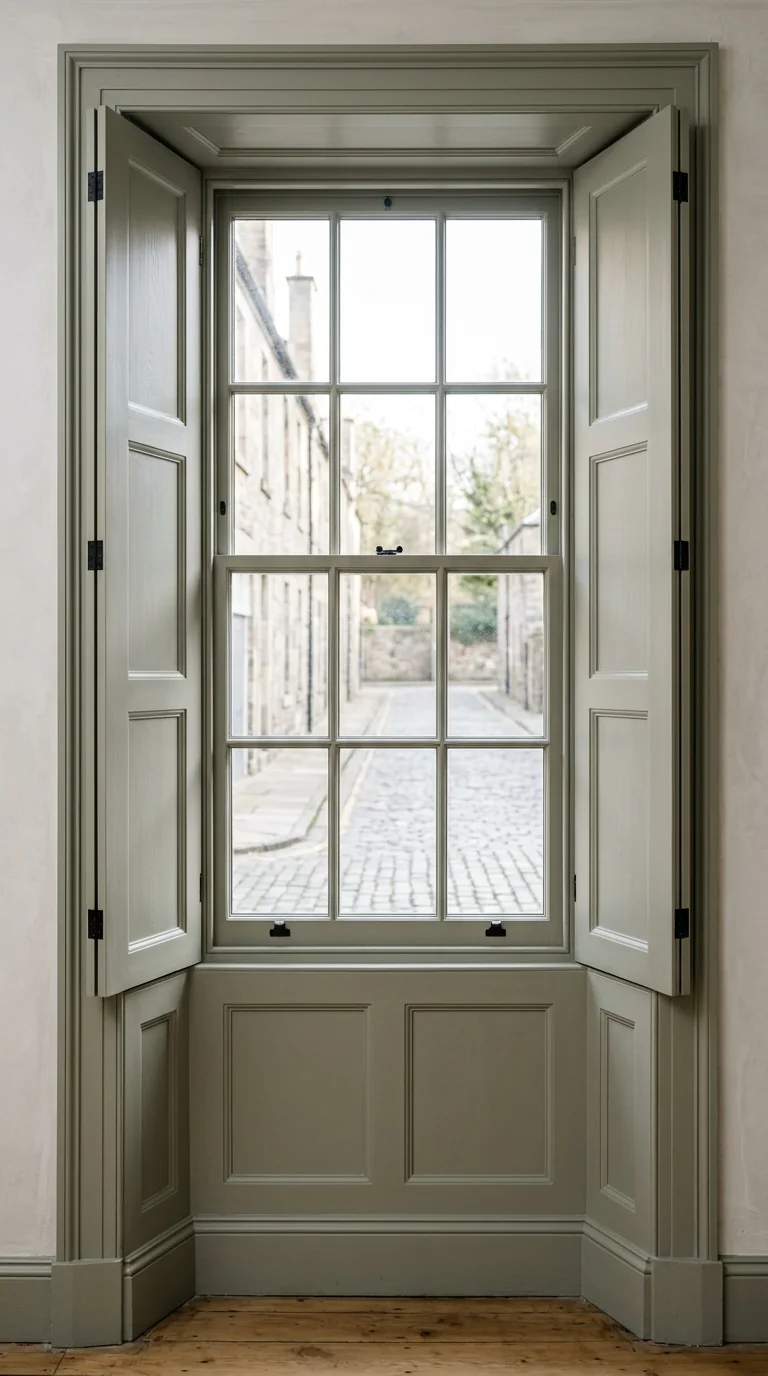
Read the surface
The visible damage is a starting point, not a diagnosis. These are the details I look at before recommending work on your shutters and panelling.
Paint on hinge lines and rebates can interfere with closing. Swollen timber, displaced hinges or distorted panels need a different assessment.
Repeated coating can fill fine profiles. Controlled, selective preparation aims to recover definition without damaging the timber underneath.
Traditional panels need room to move. Filling every fine joint rigidly can prevent movement and lead to renewed cracking.
Condensation or water entering around the opening can affect shutters and lower panelling. The moisture source needs attention before refinishing.
Preserve where it makes sense
Keeping sound timber can preserve the proportions and detail of your home. But safety, remaining strength and the cause of damage matter more than saving a component that has failed.
From assessment to finish
Eight stages, with a reason for each. The exact method is specified after inspection. Not every defect needs every treatment, and hidden damage can change the scope.
This describes the service, not a universal DIY method. Old coatings, glass, access at height and certified components need appropriate assessment.
Arrange an assessmentI look at the construction, coating layers, previous repairs and how shutters fold into their recesses. We identify what should be retained and any uncertainty about historic finishes. Listed status and the proposed scope are discussed before preparation.
The check: Do not strip away significant material just to achieve a new appearance.
We establish whether the work includes shutter faces, accessible backs, boxes, reveals, panelling and adjoining trim. Samples are considered beside the room finishes and daylight. A restrained sheen can show the joinery differently from a reflective finish.
The check: Make every included face and return clear in the quotation.
Glass, plaster, floors and fittings are protected. Older coatings are assessed for lead before disturbance and a controlled preparation method is chosen. Significant historic paint or uncertain surfaces may need specialist investigation first.
The check: Choose the preparation method after the assessment, not before it.
Contaminants and loose material are removed while sound layers are retained where suitable. Fine mouldings and corners are worked carefully rather than aggressively sanded. Full stripping is a separate decision, not an automatic part of repainting.
The check: Preserve sound fabric and the shape of the existing profiles.
Stable small defects are repaired with suitable materials and shaped to the surrounding detail. Moving panel joints are respected. Loose components, missing mouldings and failed construction joints are referred to a joiner before finishing.
The check: Distinguish a surface defect from a joint that needs to move.
Shutter movement, rebates and hinge areas are checked before coating. Bare timber and suitable repairs receive the specified primer. Paint is kept away from working hardware and contact areas that must remain clear.
The check: A shutter still needs to fold and close after decoration.
The coating is applied in a sequence suited to the panels, rails, stiles and mouldings. Edges are checked for pooling and runs. Product film thickness and recoat requirements guide application rather than adding extra layers for appearance alone.
The check: Consistent coverage without burying the joinery detail.
Once the coating permits handling, agreed moving parts are checked and closing advice is explained. I record the colour and system, note any retained imperfections and give guidance on cleaning and future maintenance.
The check: Preserve function as carefully as appearance.
Beyond the final coat
An old panel is not a new sheet of manufactured board. Sound historic texture can remain visible without making the finish look neglected.
Deep window reveals change how a colour reads. Look at samples on the shutter face and near the lower panelling, not just in direct daylight.
A neat finish does not require every construction joint to disappear. Movement allowances belong to the joinery and should not be filled indiscriminately.
Before you enquire
The right advice depends on the surface in front of us. These are useful starting points.
This service is for preparation and refinishing of existing suitable shutters and panelling. New installations, missing sections and reproduction mouldings need a joiner and a separately agreed scope.
Sometimes, but that should not be assumed. Old repairs, mixed timber and staining can become visible, and stripping can remove significant historic finishes. Assessment and a small appropriate test area come before a decision.
Suitable modern panelling can be considered, but the preparation and coating specification differ. Cut edges, joints and moisture damage need particular attention. Swollen or damaged board may need replacement rather than a surface repair.
Requirements depend on the building and the proposed work. Changes to materials, finishes or significant internal features may need consent or conservation advice. Check with the local planning authority before authorising alterations or stripping.
They need assessment first. Paint may be only part of the problem, and forcing them can damage the timber, hinges or surrounding finishes. Any work to recover operation is scoped separately, with joinery input where needed.
Start with what is there
Send a few details about your shutters and panelling. I will help establish a suitable preparation and finishing plan, and whether any work by another trade needs to come first.
Discuss your shutters and panellingIf sharing photographs, include an overall view and close views of the affected areas. Please do not climb or disturb loose paint to take them.
Specialist timber care
Windows, doors, staircases and original joinery. Explore careful repairs, considered refinishing and exterior maintenance, with the existing timber and its condition guiding every decision.
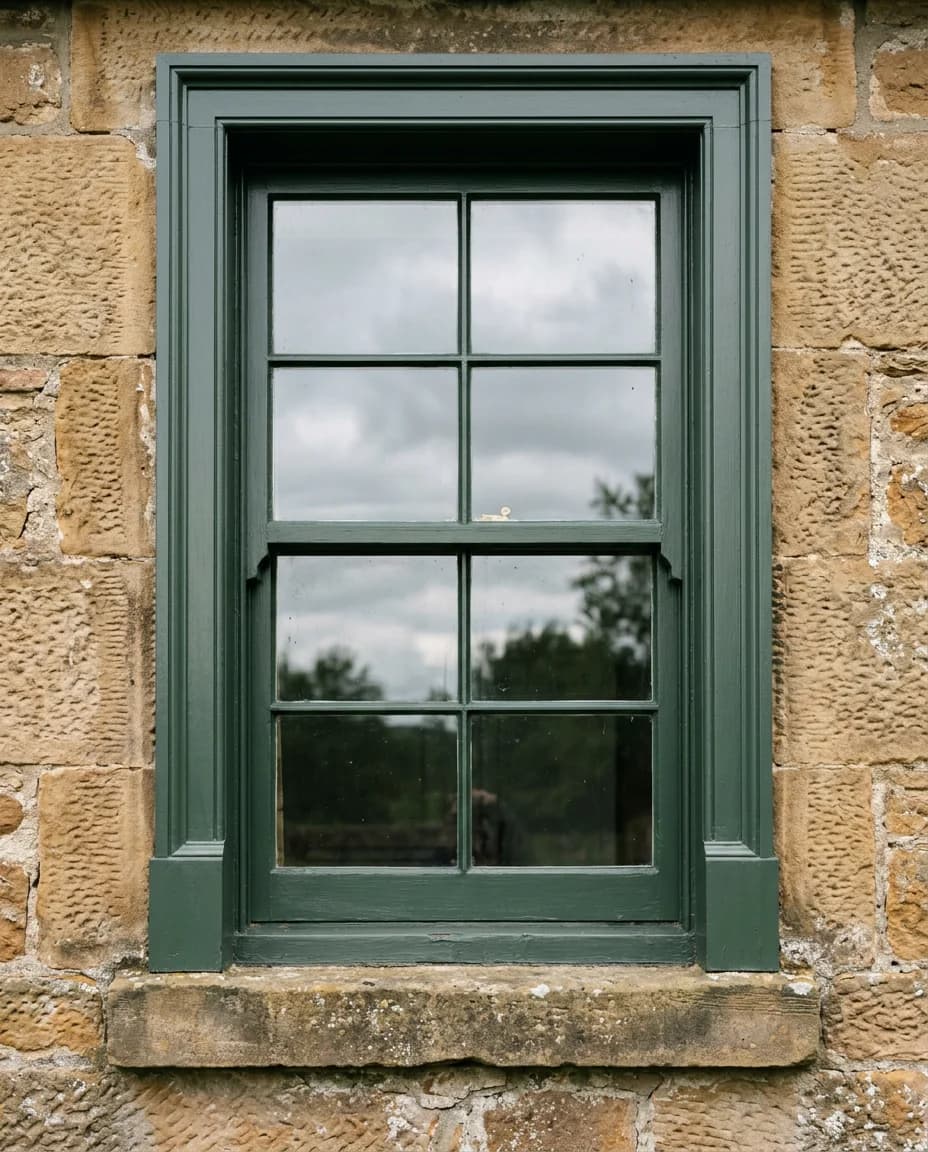
Timber window repairs and repainting in St Andrews and Fife. Assess local decay, failed coatings and weathered sills before deciding to replace.
Explore the service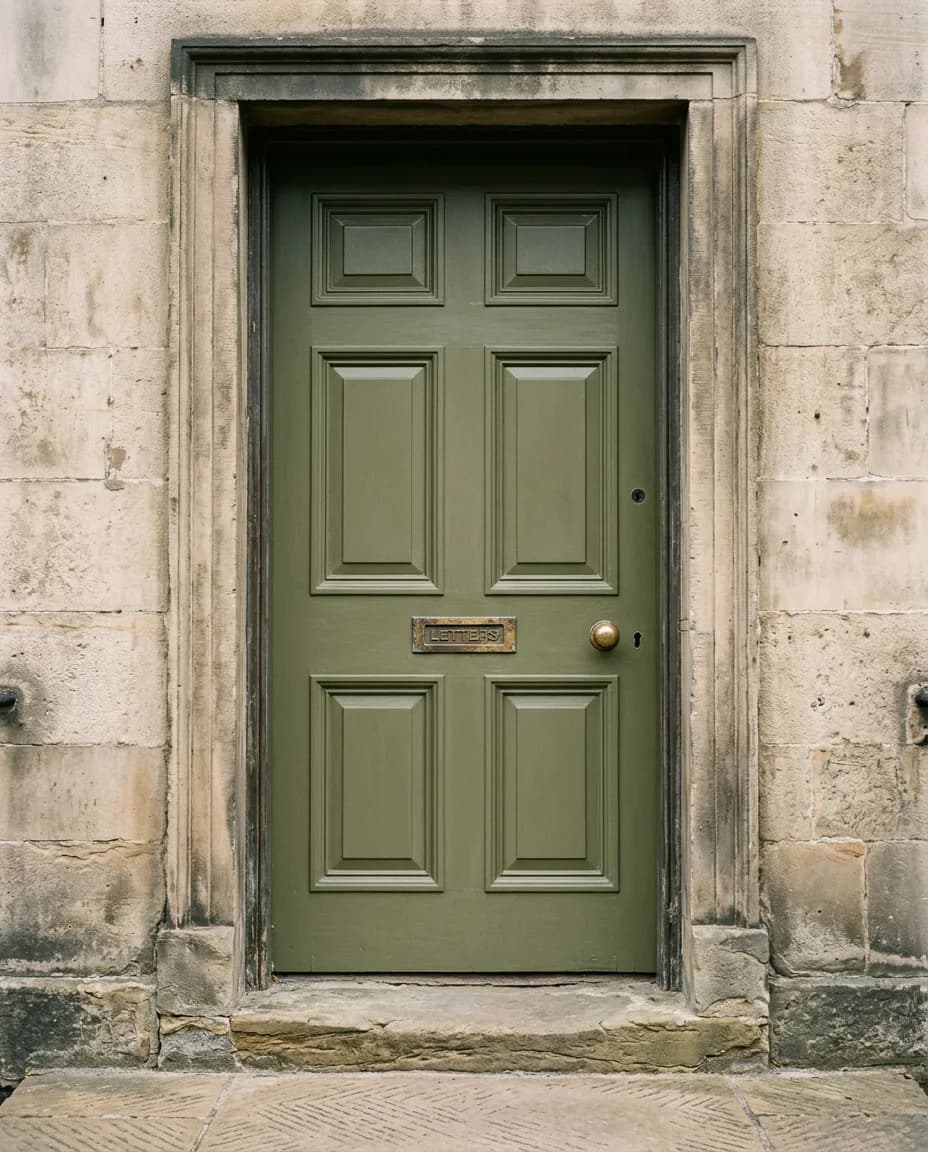
Timber door repair and repainting in St Andrews and Fife. A practical route to preserving sound doors, from assessment and local repair to a durable finish.
Explore the service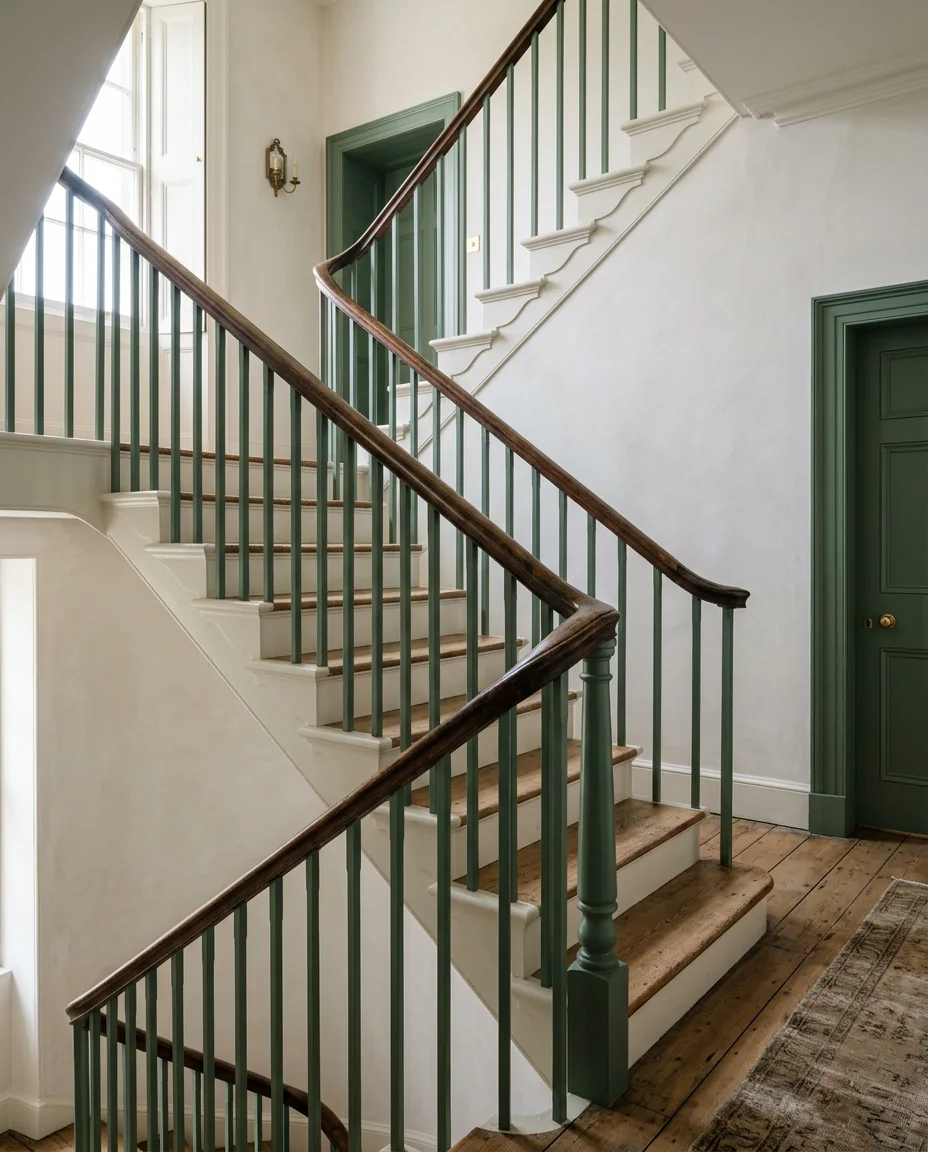
Staircase refreshing in St Andrews and Fife. Careful preparation and refinishing of sound timber stairs, handrails, spindles and painted risers.
Explore the servicePeriod shutter and panelling refinishing in St Andrews and Fife. Sensitive preparation, local decorative repairs and carefully specified painted finishes.
Explore the service
Exterior timber maintenance in St Andrews and Fife. Condition checks, targeted preparation and suitable coatings for exposed exterior joinery.
Explore the serviceSuitability and scope are confirmed after assessment.