Worn handrails
Skin oils and cleaning residues can prevent adhesion. The surface needs cleaning and assessment before deciding between paint and a clear finish.
Specialist staircase refreshing · St Andrews & Fife
A staircase takes daily wear at every turn. Handrails become polished with use, risers collect scuffs and layers of paint soften the detail. When the structure is sound, careful preparation and a considered finish can make the whole hallway feel properly looked after without replacing the staircase.
Condition first. Preparation with purpose. A suitable finish, with access, scope and aftercare agreed in writing.
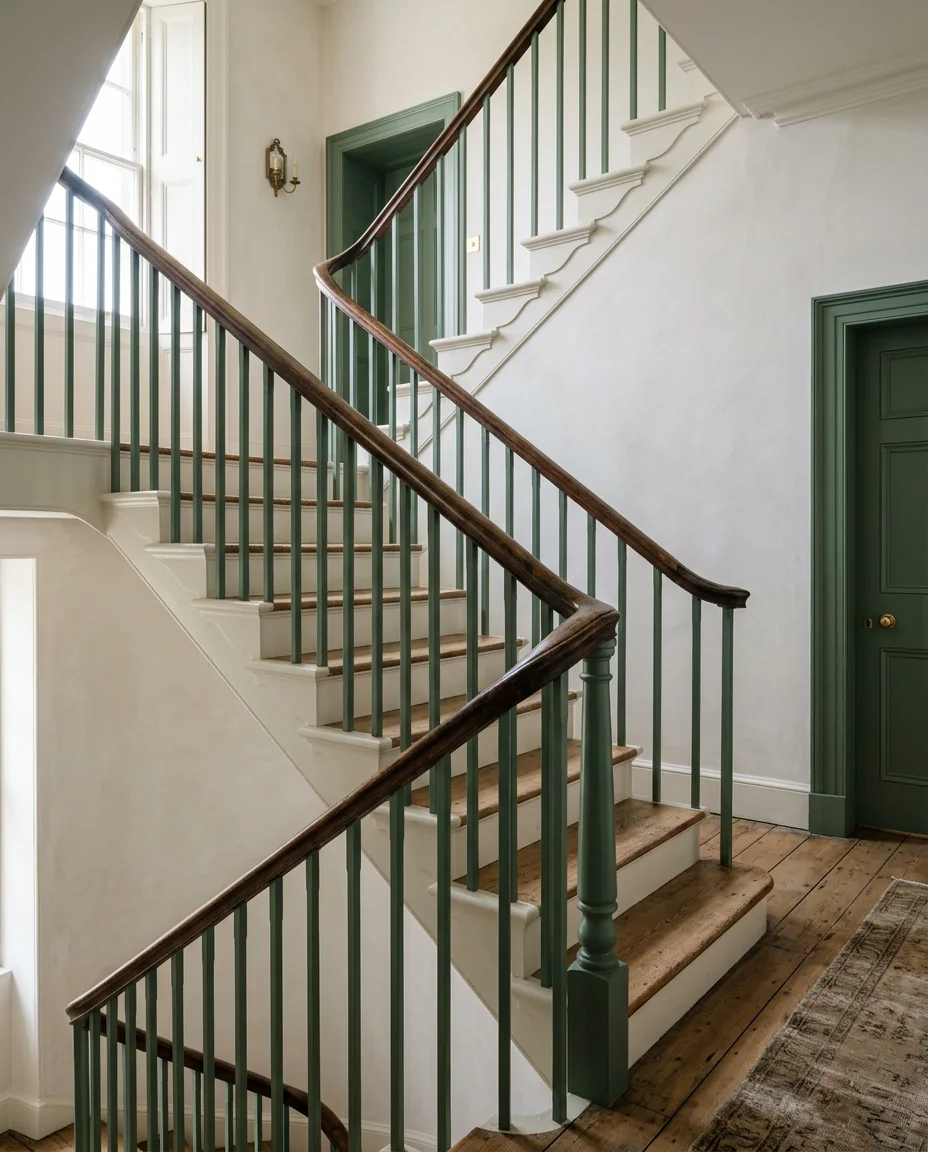
Read the surface
The visible damage is a starting point, not a diagnosis. These are the details I look at before recommending work on your staircase.
Skin oils and cleaning residues can prevent adhesion. The surface needs cleaning and assessment before deciding between paint and a clear finish.
Shoe marks, chips and old brush ridges can be addressed through preparation. Painting over them usually makes the defects easier to see.
Heavy coating build up can obscure spindle profiles and newel caps. Selective removal may be worthwhile, but wholesale stripping is not assumed.
A mixture of old varnish, painted timber and later repairs needs a coordinated specification, not necessarily the same product on every surface.
Preserve where it makes sense
Keeping sound timber can preserve the proportions and detail of your home. But safety, remaining strength and the cause of damage matter more than saving a component that has failed.
From assessment to finish
Eight stages, with a reason for each. The exact method is specified after inspection. Not every defect needs every treatment, and hidden damage can change the scope.
This describes the service, not a universal DIY method. Old coatings, glass, access at height and certified components need appropriate assessment.
Arrange an assessmentI inspect the accessible coatings, profiles and wear points and discuss who uses the staircase. Loose components and structural concerns are referred to a joiner before decorating. The quotation distinguishes treads, risers, strings, spindles, newels and handrails.
The check: A sound staircase and a clearly defined scope come first.
We agree how the household will move between floors and when surfaces must remain out of use. Drying time is only part of the programme; a coating may need longer before foot traffic or pressure. If safe access cannot be maintained, the work needs a different arrangement.
The check: Never rely on stepping over wet work or unsafe temporary routes.
Surrounding floors, walls and retained carpet are protected without creating trip hazards. Older paint is assessed for lead before disturbance. The preparation method, dust control and waste handling follow that assessment.
The check: Protect the occupied home as well as the surface being painted.
Handrails and contact points are cleaned to remove grease and polish. Once dry, representative areas are assessed for adhesion and coating compatibility. Unknown varnishes and previous treatments may require a test area or a different primer.
The check: A decorative topcoat cannot correct a contaminated background.
Loose material is removed, sound surfaces are prepared and suitable stable defects are filled and shaped. Edges and mouldings are retained. Coating removal is controlled, and substantial timber damage goes back to a joiner rather than being hidden with filler.
The check: Keep crisp details and avoid rounding off sound edges.
Risers and spindles need a different specification from a walking surface. Any included treads receive a product explicitly suitable for stairs, with slip risk and expected use considered. Handrails need a finish suited to regular handling. Ordinary trim paint is not a floor finish.
The check: Match the coating to contact, wear and safe use.
Primers and finish coats follow the product requirements for coverage, temperature, ventilation and recoat intervals. Spindle edges and rail undersides are worked carefully to avoid runs. Painted and retained timber areas are kept clearly defined.
The check: Allow each layer to develop before adding the next.
I check the finish and provide the colour, sheen and products used. We confirm when the staircase can be used, when cleaning can begin and when a runner can be fitted, where relevant. Curing advice is based on the actual system rather than a universal deadline.
The check: The job includes knowing when and how to use the staircase again.
Beyond the final coat
A retained timber handrail can sit well against painted spindles. Test the existing timber appearance before promising a pale or completely uniform clear finish.
A suitable floor system, slip considerations and access planning matter more than matching every part with one paint.
Strong hallway light highlights surface defects. A sample helps you judge colour and sheen against the floor, walls and existing joinery.
Before you enquire
The right advice depends on the surface in front of us. These are useful starting points.
Often, yes. The handrail can be retained while other parts are painted, provided the existing finish and timber are suitable. Any clear refinishing needs a test because old stains, repairs and colour variation can remain visible.
Sometimes, but access must be agreed first. If this is the only route to bedrooms or a bathroom, the drying and curing requirements may mean arranging time away from the work area. Safe access takes priority over a faster programme.
Not always. It depends on the edges being finished and whether treads are included. Removing a runner may expose staple holes, adhesive and uneven wear. Removal and refitting should be agreed with a suitable flooring specialist.
No. Creaking and movement are not coating defects. A joiner should assess the cause where needed before the decorative work starts.
Any stair surface needs a slip risk assessment for its location and use. Treads require a suitable system and may need additional measures. A decorative finish is not a blanket guarantee against slipping.
Start with what is there
Send a few details about your staircase. I will help establish a suitable preparation and finishing plan, and whether any work by another trade needs to come first.
Discuss your staircaseIf sharing photographs, include an overall view and close views of the affected areas. Please do not climb or disturb loose paint to take them.
Specialist timber care
Windows, doors, staircases and original joinery. Explore careful repairs, considered refinishing and exterior maintenance, with the existing timber and its condition guiding every decision.
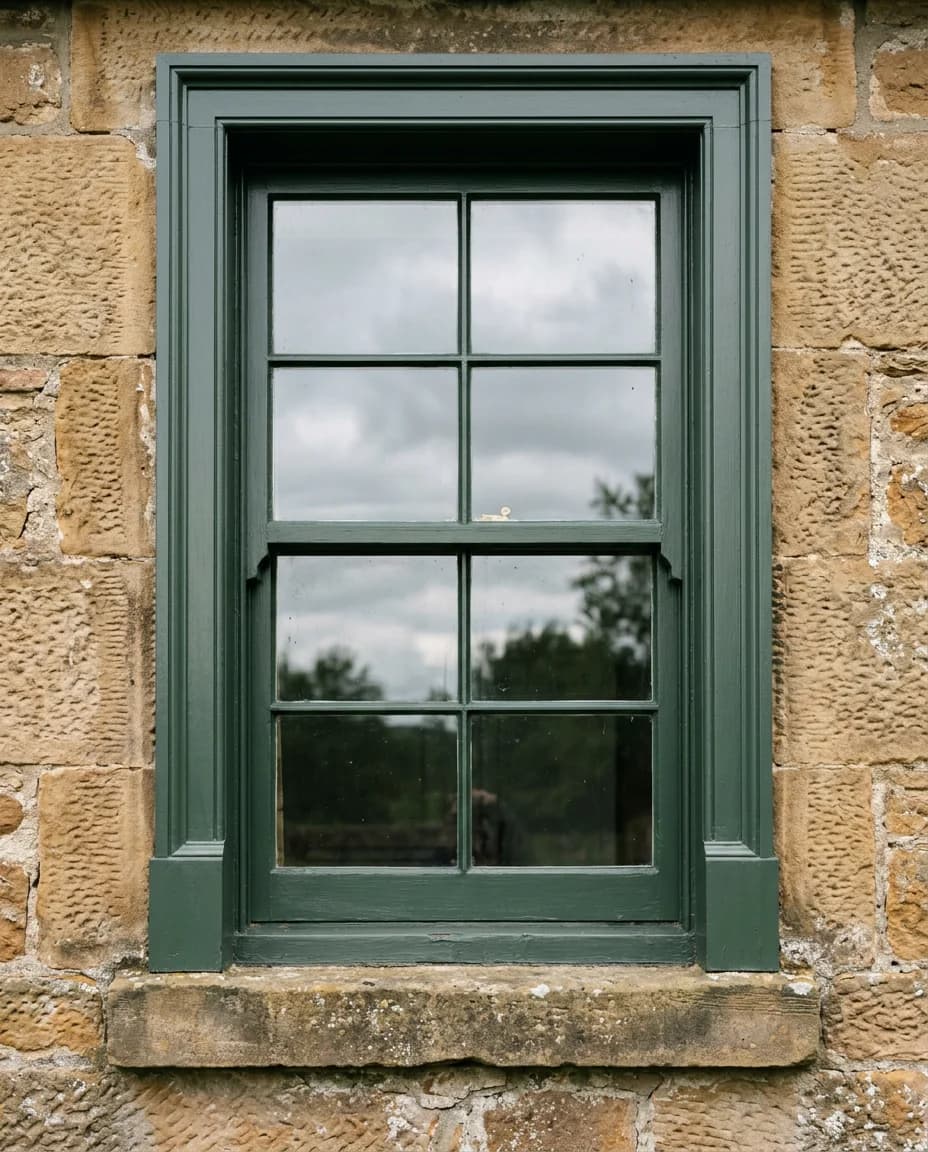
Timber window repairs and repainting in St Andrews and Fife. Assess local decay, failed coatings and weathered sills before deciding to replace.
Explore the service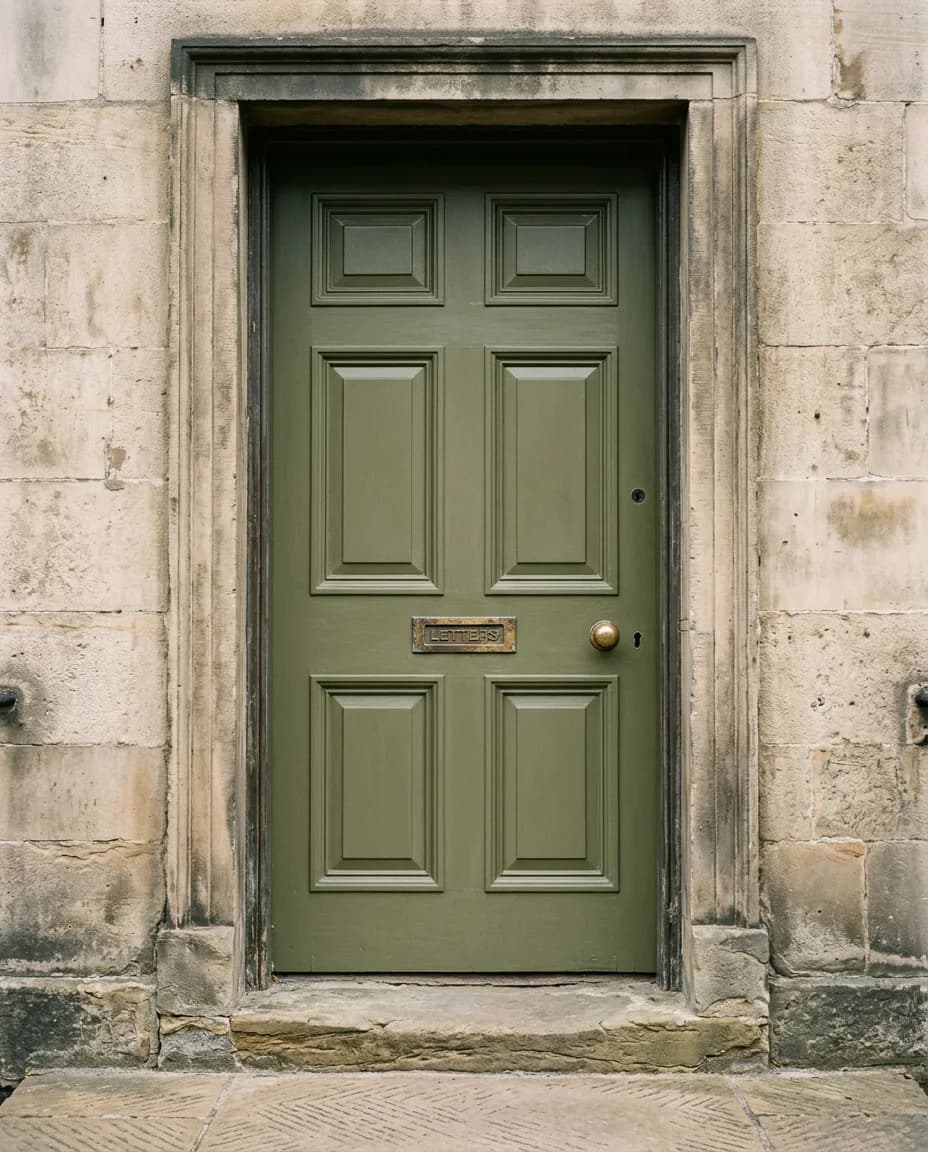
Timber door repair and repainting in St Andrews and Fife. A practical route to preserving sound doors, from assessment and local repair to a durable finish.
Explore the serviceStaircase refreshing in St Andrews and Fife. Careful preparation and refinishing of sound timber stairs, handrails, spindles and painted risers.
Explore the service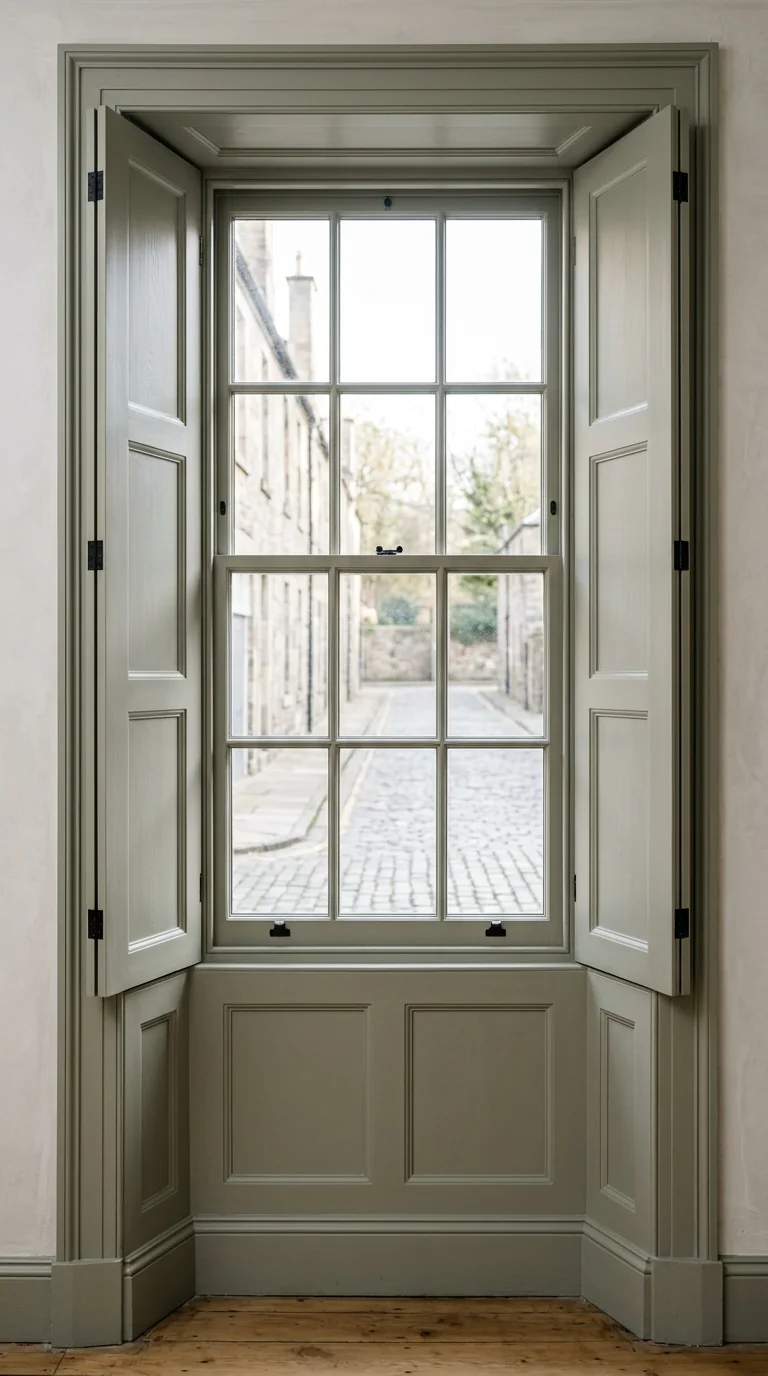
Period shutter and panelling refinishing in St Andrews and Fife. Sensitive preparation, local decorative repairs and carefully specified painted finishes.
Explore the service
Exterior timber maintenance in St Andrews and Fife. Condition checks, targeted preparation and suitable coatings for exposed exterior joinery.
Explore the serviceSuitability and scope are confirmed after assessment.